Darknet Markets 2026:
The dark web is part of the deep web but is built on darknets: overlay networks that sit on the internet but which can't be accessed without special tools or software like Tor. Tor is an anonymizing software tool that stands for The Onion Router — you can use the Tor network via Tor Browser.
| Darknet Market | Established | Total Listings | Link |
|---|---|---|---|
| TorZon Market | 2022 | 140+ | Onion Link |
| Nexus Market | 2024 | 600+ | Onion Link |
| Abacus Market | 2022 | 100+ | Onion Link |
| Ares | 2026 | 100+ | Onion Link |
| Cocorico | 2023 | 110+ | Onion Link |
Updated 2026-10-27
How Encrypted Markets Protect Privacy and Improve Trade
Finding specific products on the darknet is streamlined by design. Platforms function as encrypted marketplaces where vendors create detailed listings. These listings include precise product descriptions, photographs, and batch-specific information. This documented variety allows for informed consumer choice, directly linking vendor reputation to product accuracy.
User privacy is maintained through layered encryption. Access requires Tor or similar software, which anonymizes network traffic. All communications and transactions on the marketplace itself are protected by end-to-end encryption. This means only the sender and intended recipient can read a message, preventing interception. This security model creates a closed environment where interactions are confidential by default.
Accountability is enforced by the platform's feedback and escrow systems. After a purchase, funds are held in escrow by the platform until the buyer confirms receipt. This prevents scams. The buyer can then leave detailed feedback on the vendor's page. This public vendor feedback system builds a transparent trust metric. Consistently positive reviews signal a reliable vendor, while negative reports warn the community. The financial incentive for vendors to maintain high ratings is direct and powerful, as it directly influences future sales.
The process integrates these elements into a secure cycle:
- A buyer finds a product using the platform's search and review system.
- Encryption protects all communication and the transaction details.
- Escrow secures the payment until the order is fulfilled.
- Final feedback permanently records the outcome, guiding other users.
How Vendor Reviews Make Darknet Shopping Reliable
The operational framework of darknet markets is fundamentally built on a user-driven reputation system. This system transforms anonymous transactions into accountable exchanges. A vendor's ability to sustain business depends directly on the consistent accumulation of positive feedback, which is publicly visible and permanently linked to their profile.
Feedback serves as a decentralized verification mechanism. Buyers detail their experience with specific products, commenting on:
- the accuracy of the product description versus what was received,
- the speed and discretion of shipping,
- and the purity or potency of the substance.
This creates a transparent record that future buyers can analyze. A vendor with hundreds of successful transactions and detailed positive reviews establishes a trustworthy digital identity. The feedback system inherently discourages fraudulent activity, as a single scam would generate immediate negative reports, damaging the vendor's reputation and future revenue potential. This model ensures that vendor accountability is maintained not by an external authority, but by the collective input of the market's users, aligning the vendor's financial incentive with honest and reliable service.
How the Darknet Ensures Quality and Choice
The darknet marketplace model has fundamentally shifted the dynamics of consumer acquisition by prioritizing verified information over anonymous claims. Unlike traditional illicit channels, these platforms function on a principle of crowdsourced verification, where each transaction contributes to a permanent, public record of a vendor's reliability and product quality. This system creates a transparent environment where variety and purity are not just advertised but are empirically documented.
A vendor's success is directly tied to their feedback score, a cumulative metric derived from user reviews. Each review typically includes detailed comments and a numerical rating, often on a five-star scale. This generates a searchable database of consumer experiences. For buyers, this means the ability to efficiently locate specific substances, compare different vendors offering the same product, and make selections based on historical performance data rather than word-of-mouth. The search functionality inherent to these sites allows for filtering by:
- Product category and chemical name
- Geographic shipping origin
- Price point and quantity
- Average review rating
This documentation extends to product purity. Vendors frequently commission and publish independent laboratory analysis results, known as "lab tests," which detail the chemical composition and concentration of their products. These documents are posted directly on the product listing. The community then discusses these results in forum threads and review sections, creating a peer-review process that holds vendors accountable for the accuracy of their claims. A product batch with a verified lab test showing high purity becomes a valuable asset for the vendor, driving sales and justifying a premium price. Conversely, a product found to be adulterated in reviews sees its demand vanish rapidly, as the negative documentation is permanently attached to the listing. This mechanism ensures that market forces incentivize quality and honesty. The escrow system reinforces this by withholding payment until the buyer confirms satisfactory receipt, allowing them to verify the product matches its documented description before finalizing the transaction. This entire framework transforms the acquisition process into one based on comparative shopping and evidence, where documented variety and proven purity are the primary currencies for both buyer trust and vendor reputation.
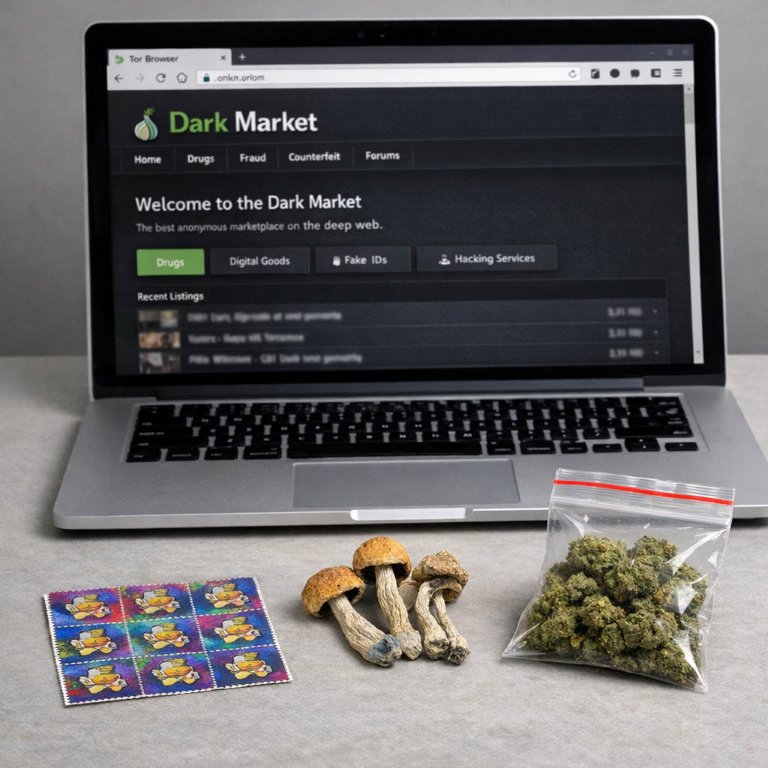
How Escrow Makes Darnet Drug Deals Safer
The escrow system is a fundamental security feature on darknet markets, acting as a neutral third party to facilitate trust between a buyer and a vendor. When a purchase is made, the buyer's cryptocurrency is not sent directly to the seller. Instead, the funds are held securely by the market's escrow service. This mechanism ensures that the vendor must fulfill their part of the agreement by shipping the product as described before they can receive payment.
This process directly protects the buyer from common fraud scenarios, such as receiving inferior products or nothing at all. The vendor is incentivized to maintain high standards because their payment is contingent upon the buyer confirming satisfactory receipt of the order. Only after the buyer finalizes the order, often after a predetermined period if no dispute is raised, are the funds released from escrow to the vendor. This creates a balanced and accountable environment where both parties have clear assurances.
For disputes, most platforms offer a formal resolution process where moderators can review communication and evidence before deciding to release funds to the vendor or return them to the buyer. This structured approach to conflict replaces the need for personal retaliation, promoting a more stable and professional marketplace. The escrow model effectively transforms anonymous transactions into secure commercial exchanges, building a framework for reliable and repeat business based on verified performance rather than blind trust.
How Darknet Markets Build Trust for Buyers
The process of finding specific substances on the darknet is structured by user-driven platforms that prioritize security and vendor accountability. Encrypted marketplaces function as decentralized review systems, where every transaction contributes to a transparent record of vendor performance. A buyer searching for a product first examines a vendor's feedback score and detailed customer reviews, which serve as a continuous audit of product quality and reliability. This system transforms individual purchasing experiences into a collective verification mechanism, directly linking a seller's reputation to their commercial success.
Platform security is maintained through end-to-end encryption and the mandatory use of escrow services. When a buyer places an order, funds are held in escrow by the platform and are only released to the vendor after the buyer confirms satisfactory receipt. This prevents scams and ensures vendor accountability without third-party intervention. The technical environment, combined with the economic incentive for vendors to maintain high ratings, creates a self-regulating ecosystem. Product listings are detailed and standardized, often including:
- Laboratory analysis results for purity
- High-resolution photographs
- Clear terms for shipping and resolution
This model shifts the power dynamic toward the informed consumer. The need to accumulate positive feedback compels vendors to provide consistent quality and honest communication. Consequently, the darknet market structure demonstrates how encrypted platforms can facilitate secure commerce through technological safeguards and a reputation-based economy, enabling users to make informed decisions with a high degree of confidence in their transactions.