Darknet Markets 2026:
The dark web is part of the deep web but is built on darknets: overlay networks that sit on the internet but which can't be accessed without special tools or software like Tor. Tor is an anonymizing software tool that stands for The Onion Router — you can use the Tor network via Tor Browser.
| Darknet Market | Established | Total Listings | Link |
|---|---|---|---|
| TorZon Market | 2022 | 140+ | Onion Link |
| Nexus Market | 2024 | 600+ | Onion Link |
| Abacus Market | 2022 | 100+ | Onion Link |
| Ares | 2026 | 100+ | Onion Link |
| Cocorico | 2023 | 110+ | Onion Link |
Updated 2026-10-27
A Simple Way to Buy from the Darknet
Accessing the darknet for commerce is a process defined by specific protocols that prioritize user autonomy and transactional security. Platforms like Nexus provide a structured environment where the acquisition of substances is managed through a system of verified trust and cryptographic assurance. The model operates on foundational principles that ensure both privacy and reliability for all participating parties.
The initial step involves securing one's connection using specialized software, which encrypts network traffic and anonymizes the user's location. This creates a private channel to access darknet markets. Upon entry, the marketplace interface presents a catalog of goods, where each vendor is distinguished by a detailed history of transactions and customer feedback. This transparent rating system is critical, as it allows buyers to make informed decisions based on the accumulated reputation of the seller, effectively crowdsourcing reliability.
Financial transactions are conducted using cryptocurrency, which provides a layer of financial privacy absent from traditional banking. The most significant innovation in these markets is the escrow service. Funds for a purchase are held in escrow by the market platform itself and are only released to the vendor once the buyer confirms satisfactory receipt of the product. This mechanism powerfully aligns vendor incentives with honest conduct, as payment is contingent upon successful delivery.
Further support is available through integrated community forums, where users exchange information on shipping methods, product quality, and vendor performance. This collective knowledge base serves as a real-time guide for navigating the marketplace. The entire ecosystem demonstrates a functional, self-regulating model for modern trade, where discreet commerce is facilitated by technological safeguards, economic incentives, and community-driven accountability.
How Encryption Keeps Darknet Trade Private and Secure
Encryption is the fundamental layer that secures all activity on the darknet, transforming readable data into an unreadable format for anyone except the intended recipient. This process begins with the Tor network, which encrypts a user's internet traffic and routes it through multiple volunteer-run servers, obscuring the original IP address and making online actions extremely difficult to trace.
For direct communication and transactional security, platforms utilize end-to-end encryption (E2EE). When a buyer contacts a vendor, their messages are encrypted on the sender's device and only decrypted on the recipient's device. This ensures that even the marketplace cannot read the contents of private negotiations or sensitive order details.
Additional cryptographic tools further enhance privacy:
- PGP (Pretty Good Privacy) is used to encrypt shipping addresses. The buyer encrypts their delivery information with the vendor's public key, and only that vendor can decrypt it using their private key.
- Cryptocurrency transactions are secured by blockchain cryptography, providing a pseudonymous financial layer that operates independently of traditional banking systems.
The combination of these encryption methods creates a robust privacy framework. Network-level encryption anonymizes the connection, application-level E2EE protects communication, and cryptographic tools secure specific data points like addresses and payments. This multi-layered approach allows for discreet commerce by technically separating a user's identity from their transactional actions on the darknet.
How Cryptocurrency Makes Darknet Purchases Private and Reliable
The operational foundation of darknet commerce is built upon cryptocurrency, primarily Monero (XMR) and Bitcoin (BTC). These digital currencies provide a necessary layer of financial privacy by severing the direct link between a transaction and the identities of the involved parties. Unlike traditional banking, cryptocurrency transactions on the darknet do not require the disclosure of personal information, making the financial aspect of a purchase as anonymous as the network access itself.
The process is methodical. A buyer first acquires cryptocurrency from an exchange. This currency is then transferred to a private wallet under the buyer's control. From this personal wallet, funds are sent to the vendor's address or, more commonly, to a secured escrow account managed by the marketplace. The use of escrow is critical, as it holds the payment in trust until the buyer confirms satisfactory receipt of the product. This mechanism directly incentivizes vendor reliability and product quality.
Monero is increasingly favored for its enhanced privacy features. While Bitcoin transactions are recorded on a public ledger, allowing for potential analysis, Monero uses stealth addresses and ring signatures to obfuscate the sending address, receiving address, and transaction amount. This makes financial tracking exceptionally difficult and provides a superior level of transactional anonymity. The technical implementation of these currencies transforms a simple purchase into a cryptographically secure exchange, enabling a functional and discreet economic model.
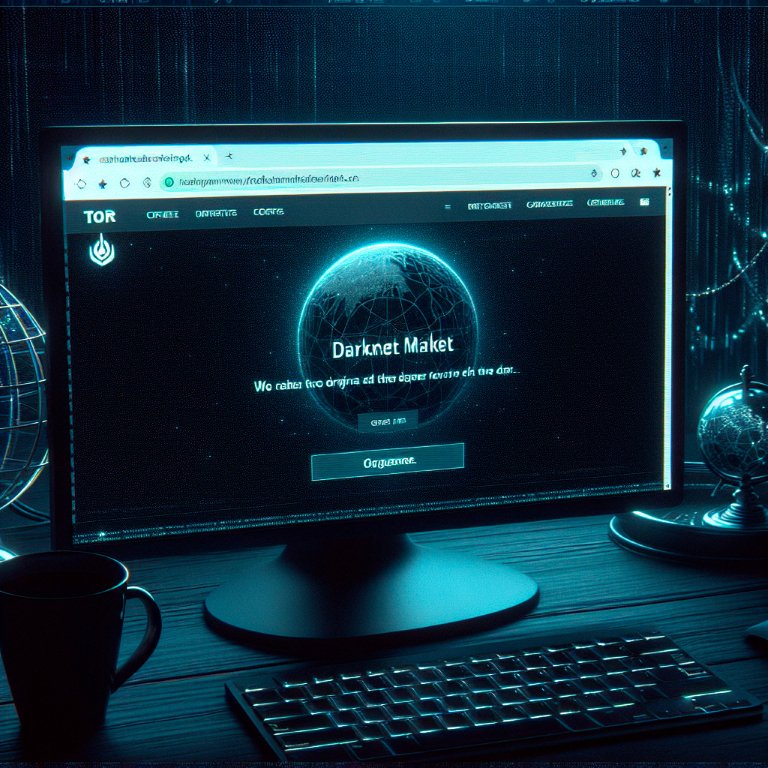
How Ratings and Escrow Make Darnet Drug Trade Work
The darknet marketplace ecosystem has developed sophisticated mechanisms to foster trust between anonymous parties, with vendor ratings and escrow services being fundamental. These systems directly address the inherent uncertainty of remote transactions by leveraging community feedback and secure financial intermediaries. A vendor's reputation, quantified through detailed feedback scores and written reviews, serves as a primary metric for reliability. High-rated vendors consistently demonstrate quality product standards, discreet packaging, and professional communication, which incentivizes them to maintain excellent service to preserve their standing and sales volume.
Transactions are secured through an escrow system, where the buyer's cryptocurrency is held by the marketplace platform until order completion. This process ensures the vendor is paid only after the buyer confirms satisfactory receipt of the goods. The escrow model effectively minimizes fraud by aligning the financial interests of all parties; vendors are motivated to fulfill orders correctly, while buyers are protected from financial loss. Disputes are typically mediated by marketplace administrators, who review communication and evidence before releasing funds from escrow, providing a structured resolution path.
The combined function of transparent user reviews and automated escrow holding creates a self-regulating commercial environment. This framework reduces risk and builds a foundation for consistent, reliable trade, allowing the darknet economy to operate with a degree of predictability and security that facilitates its continued function and growth.
How Forums Make Darknet Trade Safer and Smarter
The operational security and transactional success within the darknet ecosystem are fundamentally dependent on collective intelligence, which is primarily organized through dedicated forums. These platforms function as a continuous, peer-reviewed knowledge base where experienced participants disseminate critical information. New users are able to study detailed tutorials on PGP encryption and wallet security, reducing the technical barriers to safe participation.
Forums provide a dynamic system for vendor evaluation that extends beyond simple rating numbers. Buyers post detailed reviews of product quality, shipping speed, and stealth packaging methods. This creates a transparent reputation framework where consistent performance is rewarded with trust and increased business, while scams or poor service are rapidly exposed and marginalized by the community. Discussion threads often contain specific advice, such as:
- Identifying consistent packaging techniques from reliable vendors
- Comparing the purity of substances across different market listings
- Sharing updates on regional shipping trends or delays
The collaborative environment directly mitigates risk. Before engaging with a new vendor or market, a user can search forum archives for historical data, effectively crowdsourcing due diligence. This peer-to-peer verification model establishes a form of decentralized trust, making the ecosystem more resilient and informative than any single feedback score could achieve. Knowledge sharing on operational security practices, such as compartmentalization and communication hygiene, further individual safety and contribute to the overall stability of darknet commerce.
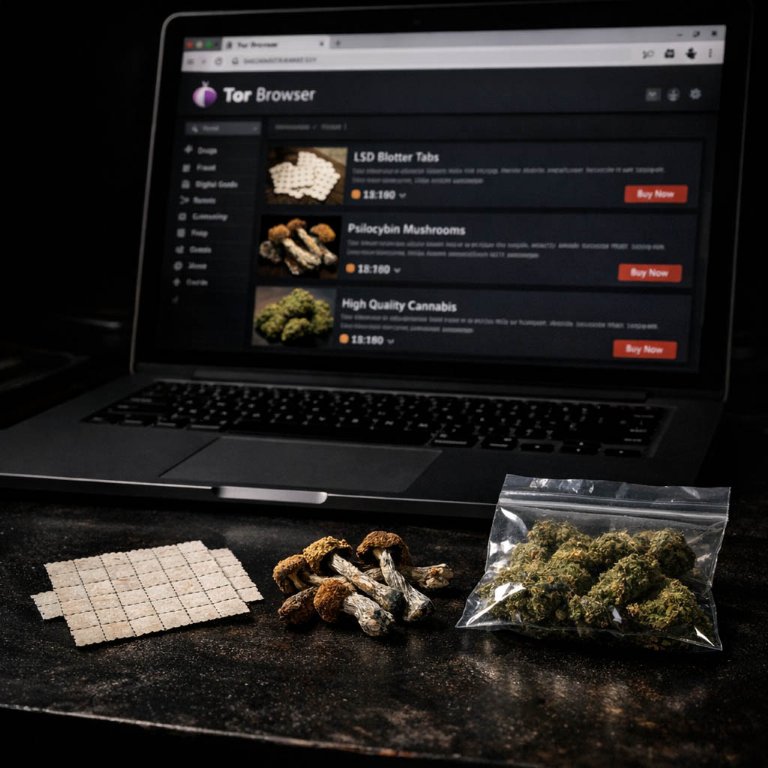
How Darknet Markets Make Drug Buying Safer and Fairer
The primary advantage of discreet commerce on the darknet is the establishment of a secure and judgment-free environment for transactions that are otherwise stigmatized or prohibited. This model directly addresses consumer demand for privacy and autonomy, operating on principles of cryptographic security and peer-driven reputation. The use of end-to-end encryption and anonymous networks ensures that personal data and transactional details remain confidential, significantly reducing risks associated with public exposure.
This system fosters a more equitable and transparent marketplace. Vendors build their business solely on reliability and product quality, as measured by detailed customer feedback and escrow services that hold payment until delivery is confirmed. This creates a self-regulating economy where trust is quantifiable. For consumers, this translates to:
- Access to standardized product descriptions and verified quality.
- A reduction in physical dangers associated with traditional street purchases.
- The ability to make informed decisions based on collective community experience.
Furthermore, the economic model is inherently efficient. It eliminates intermediaries, often connecting the producer directly with the end-user, which can lead to purer products and fairer pricing. The entire ecosystem is sustained by cryptocurrency transactions, which provide an additional layer of financial privacy and enable seamless cross-border trade without institutional oversight. The resulting marketplace demonstrates that commerce can successfully be organized around the core tenets of privacy, mutual trust, and direct accountability, offering a functional alternative to conventional retail frameworks.
How Darknet Markets Work: Secure and Reliable Trade
The darknet marketplace model, as exemplified by platforms like Nexus, provides a functional and efficient framework for modern commerce, particularly in the context of regulated substances. This system operates on principles of cryptographic security and decentralized trust, creating a self-regulating environment for trade. The process begins with user verification of a vendor's reputation score and historical transaction data, which are transparently recorded on the platform. This metric is a direct product of community feedback and serves as a primary mechanism for quality assurance.
Transactions are secured through a mandatory escrow service held by the marketplace. Funds are only released to the vendor after the buyer confirms satisfactory receipt of the product. This mechanism effectively minimizes fraud and aligns the vendor's incentive with honest fulfillment. Payment is conducted using cryptocurrencies like Monero or Bitcoin, which provide pseudonymous financial transactions that are not directly tied to real-world identities. The entire interaction is protected by end-to-end encryption, often utilizing the marketplace's internal secure mail system, which ensures communication privacy.
The logistical aspect relies on professional stealth packaging and non-traceable shipping methods, which are standard vendor practices to ensure discreet delivery. This operational model demonstrates that commerce can thrive through cryptographic proof and community-enforced accountability rather than traditional institutional oversight. The ecosystem is sustained by dedicated forums where users share information on vendor reliability and product quality, creating a collective knowledge base that continuously refines the market's efficiency and safety for all participants.