Darknet Markets 2026:
The dark web is part of the deep web but is built on darknets: overlay networks that sit on the internet but which can't be accessed without special tools or software like Tor. Tor is an anonymizing software tool that stands for The Onion Router — you can use the Tor network via Tor Browser.
| Darknet Market | Established | Total Listings | Link |
|---|---|---|---|
| TorZon Market | 2022 | 140+ | Onion Link |
| Nexus Market | 2024 | 600+ | Onion Link |
| Abacus Market | 2022 | 100+ | Onion Link |
| Ares | 2026 | 100+ | Onion Link |
| Cocorico | 2023 | 110+ | Onion Link |
Updated 2026-10-27
Reliable Access for Easy Darknet Shopping
Consistent access to a marketplace is foundational for its utility. The Nexus darknet link provides this stability through a resilient infrastructure designed to resist common points of failure. This system employs rotating mirror links and a primary address updated through trusted channels, minimizing downtime. Users connect via the Tor network, which anonymizes traffic by routing it through multiple encrypted layers. The link itself is a gateway to a secure login portal, where user credentials and two-factor authentication are processed. This setup ensures that the entry point remains reliable and protected from external disruptions, forming the first critical layer in a secure shopping process.
The technical mechanism behind stable access involves several components:
- Redundant server clusters hosted in different jurisdictions.
- Automated monitoring for link integrity and immediate failover procedures.
- Distribution of updated links through encrypted messaging services and verified public keys.
A Secure Platform for Darknet Commerce
The Nexus darknet link provides a stable gateway to a platform engineered for transactional safety. Security is not an afterthought but the foundational principle of the marketplace's architecture. This design philosophy manifests in several integrated systems that protect user identity and financial assets throughout the shopping process.
Access begins with robust encryption. All communications between the user's device and the marketplace servers are encrypted, making traffic interception and data theft practically impossible. This creates a secure tunnel for browsing and interaction. The platform further employs a mandatory escrow system for all transactions. Funds are held by the marketplace until the buyer confirms satisfactory receipt of the product, which financially incentivizes vendors to fulfill orders accurately and deters fraudulent listings.
User anonymity is preserved through the use of cryptocurrency, primarily Monero or Bitcoin, which obfuscates financial trails. The interface itself is streamlined to minimize user error; clear instructions and a logical flow reduce the risk of operational mistakes that could compromise security. The design incorporates two-factor authentication (2FA) as a standard account protection measure, adding a critical layer of defense against unauthorized access.
This multi-layered approach ensures that the platform's environment is secure by default. The combination of encryption, escrow, anonymous payment channels, and an intuitive interface establishes a framework where users can engage in commerce with a significantly reduced risk profile. Security features are seamlessly woven into the user journey, from login to finalizing feedback, making protection a continuous and unobtrusive aspect of the experience.
How Encryption and Escrow Make Darnket Drug Trade Safe and Reliable
The operational integrity of the Nexus darknet link is fundamentally dependent on its implementation of end-to-end encryption. This technology ensures that all communication between a buyer and a vendor is rendered into an unreadable format, accessible only to the intended parties. The marketplace itself cannot decipher the contents of these messages, which include order details and shipping addresses. This layer of cryptographic security is non-negotiable for maintaining user privacy and transactional confidentiality.
Financial security is managed through a multi-signature escrow system. When a purchase is initiated, the buyer's cryptocurrency is held in a secure, third-party escrow account controlled by the marketplace. The funds are only released to the vendor after the buyer confirms satisfactory receipt of the product. This mechanism creates a balanced environment:
- It protects buyers from fraudulent vendors who might not ship items.
- It assures vendors they will be paid for completed orders, preventing chargeback fraud.
The combination of these systems fosters a secure framework for commerce. Encryption guarantees private negotiations, while the escrow model enforces contractual fairness. This technical infrastructure directly supports the marketplace's goal of facilitating reliable transactions, allowing users to engage with a focus on product quality and vendor reputation rather than foundational security concerns.

A Huge Selection of Drugs on the Darknet
The platform's catalog is a primary feature, offering an extensive range of psychoactive substances. This variety meets specific consumer demands, from well-known compounds to specialized research chemicals. The catalog is organized by substance type and effect, which simplifies the search process. Each listing includes detailed product descriptions, purity levels, and country of origin.
Vendors maintain this diversity by sourcing from global producers. The system allows for direct comparison of products based on vendor reputation and price. A feedback-driven rating system directly influences vendor visibility and sales, promoting consistent quality. The catalog's scale demonstrates the operational capacity of modern darknet markets, functioning as a centralized hub for niche commerce.
How Darknet Ratings Help You Find Good Vendors
The vendor rating system is a foundational component of the Nexus darknet link ecosystem, directly correlating with transaction success and product satisfaction. This system transforms subjective user experience into quantifiable, actionable data. Each completed purchase allows a buyer to leave detailed feedback on multiple axes, including product purity, shipping speed, stealth packaging, and communication quality.
These cumulative ratings generate a vendor's profile score, a reliable metric for new users. High-scoring vendors often display consistent traits:
- Accurate product descriptions matching the received substance.
- Use of professional vacuum sealing and visual barrier methods to protect package integrity.
- Transparent communication regarding shipping timelines and any potential delays.
The feedback mechanism creates a self-regulating market. Vendors with poor ratings or unresolved disputes see their visibility and sales decline, while those maintaining high standards are incentivized through increased business. This organic form of quality control reduces the risk for buyers, as the community collectively audits vendor performance. The system's design discourages fraudulent listings, as a pattern of negative reviews triggers algorithmic demotion and user caution, ensuring that access via the Nexus link leads primarily to reputable sources.
A Smooth Shopping Experience on the Darknet
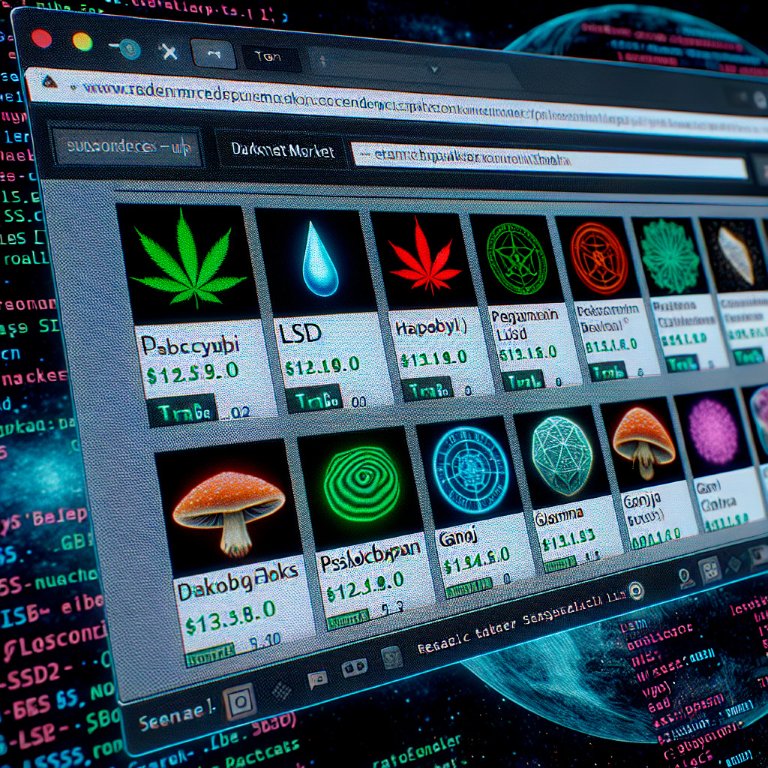
The Nexus darknet link provides a streamlined gateway to a platform where the user experience is prioritized. The interface is designed for clarity and speed, allowing for efficient navigation through the extensive catalog. Product listings are organized with precision, featuring comprehensive filters for substance type, vendor location, price range, and shipping options. This systematic categorization transforms a vast inventory into a manageable shopping environment.
Each product page presents detailed specifications, including purity levels, batch information, and clear pricing. The purchasing process is a straightforward sequence: selection, cart review, and checkout. The integrated encrypted messaging system facilitates direct, secure communication with vendors for any pre-transaction inquiries, ensuring all details are confirmed before an order is finalized. This design minimizes user error and streamlines the acquisition process.
The interface integrates vendor ratings and feedback directly into the browsing experience. A vendor's reputation score, recent reviews, and transaction history are visible alongside their products. This immediate access to peer-generated data allows for informed decision-making without navigating away from the primary catalog, creating a seamless loop of research and action.
- Advanced search functions with keyword and filter saves.
- One-click access to vendor profiles and historical performance metrics.
- A unified wallet and cart system reducing transactional steps.
This operational efficiency, combined with the underlying secure escrow system, establishes a reliable framework for commerce. The platform's architecture successfully reduces the complexity typically associated with darknet transactions, delivering a functional and predictable user journey from browsing to completed purchase.
How Darknet Markets Keep Your Trades Safe
The marketplace's security model is built on a multi-layered system that automates trust. The cornerstone is the encrypted escrow system. When a buyer initiates a purchase, funds are held by the marketplace itself, not immediately sent to the vendor. This escrow is secured with end-to-end encryption, meaning only the intended recipient can access the transaction details. The funds are only released after the buyer confirms satisfactory receipt of the product, which prevents common fraud scenarios and incentivizes honest vendor behavior.
This process is reinforced by a transparent feedback and rating mechanism. Every completed transaction allows the buyer to leave detailed feedback on product quality, shipping speed, and stealth. These ratings are permanently displayed on the vendor's profile, creating a self-regulating economy where reputation is the primary currency. High-rated vendors gain more visibility and sales, while those with poor feedback are quickly marginalized. The system effectively crowdsources quality control, making collective user experience a powerful security metric.
Operational security is further enhanced by the platform's infrastructure. All communications are conducted via internal PGP-encrypted messaging, ensuring that sensitive addresses or details are never exposed in plaintext. The marketplace operates as a Tor hidden service, providing anonymity for both parties by masking network traffic. This combination of financial safeguards through escrow, social accountability through ratings, and technical privacy through encryption creates a stable environment where transactions can proceed with a high degree of predictable safety.

How Feedback Keeps Darnet Markets Honest
The feedback system on the Nexus darknet link operates as a continuous and self-regulating mechanism for quality control. It transforms every completed transaction into a data point that informs future users. When a buyer receives a product, they are prompted to leave a rating and detailed comments on several critical factors.
These factors typically include:
- The accuracy of the product description versus the item received.
- The purity and potency of the substance.
- The stealth and professionalism of the packaging.
- The speed and reliability of the shipping process.
- The clarity and responsiveness of the vendor's communication.
This collective intelligence is aggregated into a vendor's profile, creating a transparent reputation score. A vendor with consistently high ratings and positive, specific feedback naturally ascends in marketplace visibility and buyer trust. Conversely, negative feedback regarding underweight products, misrepresented quality, or poor service is immediately visible. This creates a powerful economic incentive for vendors to maintain high standards, as their business viability directly depends on their reputation. The system effectively minimizes uncertainty for the buyer, allowing for informed purchasing decisions based on the documented experiences of peers. It establishes a form of crowdsourced verification that upholds market integrity more effectively than any central authority could within this environment.